
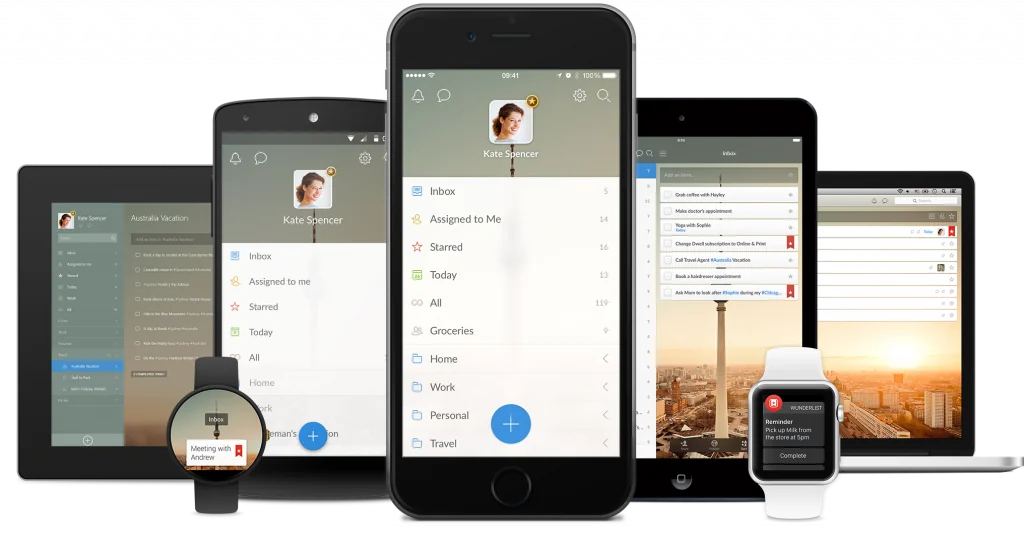
An acquisition that promised continuity
Microsoft announced it had acquired the Berlin-based 6Wunderkinder, maker of the to-do app Wunderlist, on 2 June 2015. The official announcement was reassuring about the immediate future: it stated the app would “remain free in all of its existing markets,” that there would be “no price changes for Wunderlist Pro or Wunderlist for Business customers,” and that the service would keep supporting its existing third-party integrations. It did not say for how long, beyond a promise to “share what's in store” as Wunderlist's ideas were applied to Microsoft's own products.
What the acquisition was actually buying
Wunderlist users experienced continuity for years: the app kept working, the team kept shipping updates, and the 2015 pricing commitments held. Underneath that, Microsoft was building a successor, To Do, using ideas and staff from the Wunderlist team, and by December 2019 it announced a firm end date. Reporting on that announcement records Microsoft naming 6 May 2020 as the shutdown date, with an in-app importer offered inside Wunderlist itself to move lists into To Do, rather than a generic file export. Microsoft's own product lifecycle record, a living document, now lists Wunderlist's support as ending in early May 2020 Pacific Time, under a note that “support for this product is subject to the terms of its acquisition.”
Five years is generous, but it was never permanent
Five years between acquisition and shutdown is a long runway next to several other entries in this batch, and the acquisition announcement's specific pricing promises were kept for that period. But nothing in the 2015 post committed Microsoft to keeping Wunderlist running indefinitely, and nothing should have implied otherwise: an acquisition transfers a product's fate to a new owner's roadmap, not to its previous owner's promises. The importer built into the app was a genuine migration path, but it existed only because Microsoft chose to build one; a less careful acquirer could simply have switched the servers off.
- Does the acquiring company's announcement commit to a timeline, or only to near-term continuity?
- If the tool is folded into a successor, is there an in-app import path, or only a generic data export?
- Whose product roadmap does this tool now depend on, and does that roadmap still need it?
An acquisition is not a verdict on a tool's quality; it is a change of ownership, and ownership determines lifespan. Wunderlist's five good years after being bought are the exception that makes the rule worth stating plainly.
Sources & reading trail
Announces the acquisition and commits to no price changes and continued third-party support at the time.
Source published: 2 June 2015 · Retrieved: 16 September 2026
Living lifecycle record giving the official support end timestamp and noting support was subject to the acquisition's terms.
Source published: Not established · Retrieved: 16 September 2026
Secondary report of Microsoft's December 2019 announcement naming the 6 May 2020 shutdown date and the in-app importer; used because Microsoft's own announcement post is now gated behind sign-in.
Source published: 9 December 2019 · Retrieved: 16 September 2026
Announcements and papers establish the record; the friction reading and the adoption questions are Productivity Atlas editorial analysis. This retrospective draft does not imply the site published on the event date.