
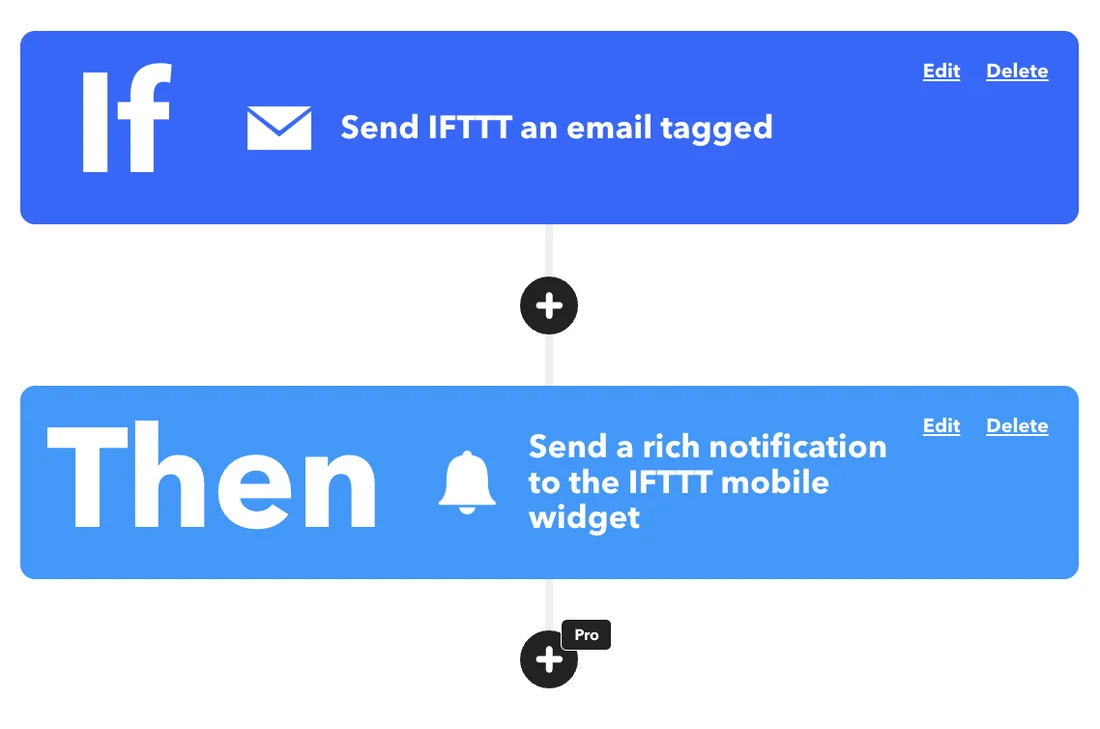
One trigger, one action, no code
IFTTT's own explanation of the product, retrieved 16 September 2026, states that the service officially launched in 2011, as what the page calls the world's first automation platform, built by Linden Tibbets around a deliberately narrow idea: a trigger, the event that starts an applet, connected to a single action, the event executed as a result. No day or month for that 2011 launch is given on the page, so it is recorded here as a year rather than a dated event. The same page notes a $30 million funding round in 2014 that coincided with expansion from social-media and productivity connections into smart-home devices, and a rebrand of its terminology from recipes to Applets in 2017.
Automation for people who do not write code
The one-trigger, one-action limit was the point, not a compromise. Earlier automation tools assumed a programmer; IFTTT's contribution was a form simple enough that an if-this-then-that statement could be filled in by anyone able to describe a habit, such as saving a photo posted to one service into another automatically. The current about page still frames the product this way: services are the apps and devices used every day, and an Applet is what connects two of them. That framing has not changed even as the range of connectable services has grown to, by the company's own account, over a thousand.
What a single step cannot handle
A trigger-to-action chain has no memory of context beyond the single event that fired it, and no way to branch on a condition unless the platform later adds specific features, such as queries or filter code, to work around that limit; IFTTT's own product page lists these as later additions rather than part of the original model. A task that needs one condition unless another has already happened, or that needs several conditions all to be true at once, sits outside what a single applet was built to express, which is exactly the gap multi-step automation tools were later built to fill.
Questions to ask before you adopt it
- Does the task you have in mind need more than one condition, or does it genuinely reduce to a single trigger and action?
- What happens if a connected service changes its interface or shuts down, and does the applet fail silently?
- Which features were added after the original simple version, and do they now sit behind a paid plan?
IFTTT's contribution was restraint: a form too simple to need a manual. That same restraint is why a single applet cannot replace a proper workflow once a task grows to more than one step.
Sources & reading trail
Company's own page states IFTTT officially launched in 2011, names founder Linden Tibbets, and describes the trigger-action mechanism and later milestones.
Source published: Not established · Retrieved: 16 September 2026
Company's own current about page describes the applet and services model as a living document.
Source published: Not established · Retrieved: 16 September 2026
Announcements and papers establish the record; the friction reading and the adoption questions are Productivity Atlas editorial analysis. This retrospective draft does not imply the site published on the event date.